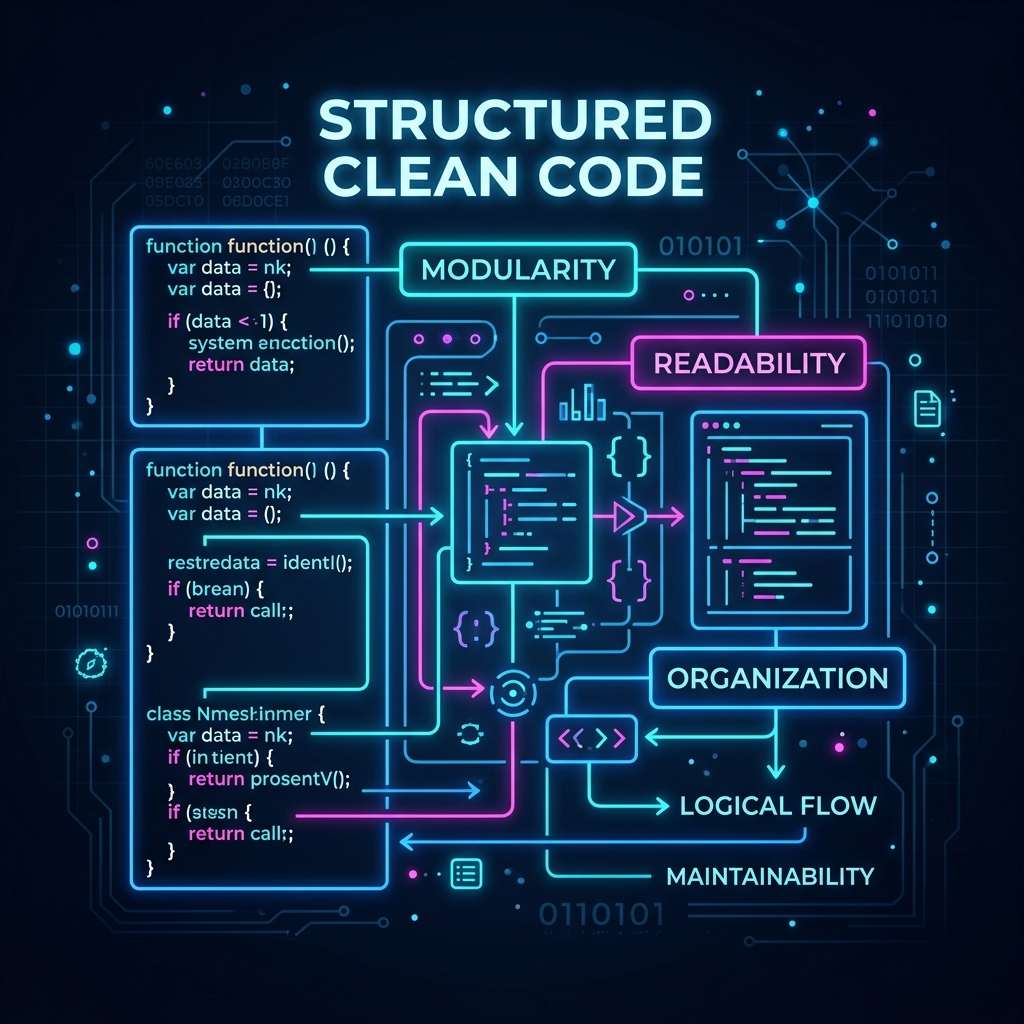
Why Clean Code Matters: Reducing Technical Debt in Startups

Why Clean Code Matters: Reducing Technical Debt in Startups

Stackrunner Software
July 13, 2026
1 min read
4 views
software-engineeringstartupsclean-code

Why Clean Code Matters: Reducing Technical Debt

In early-stage startups, the pressure to deliver features quickly often leads to shortcuts. While this might give a short-term boost, building on a messy codebase results in compounding technical debt that eventually slows feature development to a crawl.

The Cost of Dirty Code

  • Slower onboarding: New developers spend days trying to understand spaghetti code.
  • Fragility: Fixing one bug causes three unrelated issues to appear.
  • Lower morale: Engineers spend more time firefighting bugs than building features.
  • Practical Steps to Maintain Cleanliness

  • Define Code Standards Early: Set up ESLint, Prettier, and basic linting rules.
  • Conduct Thorough Code Reviews: Code reviews shouldn't just check if the feature works, but also if it is maintainable.
  • Refactor As You Go: Apply the boy scout rule—always leave the codebase cleaner than you found it.
  • Need help with custom software development?

    We build this for businesses every day. See how we can help with your project.

    Stackrunner Software
    Author